श्री केदारनाथ धाम
उत्तराखण्ड
श्री केदारनाथ धाम
उत्तराखण्ड
Shri Kedhar Nath Dham
Lord of Kedar Khand
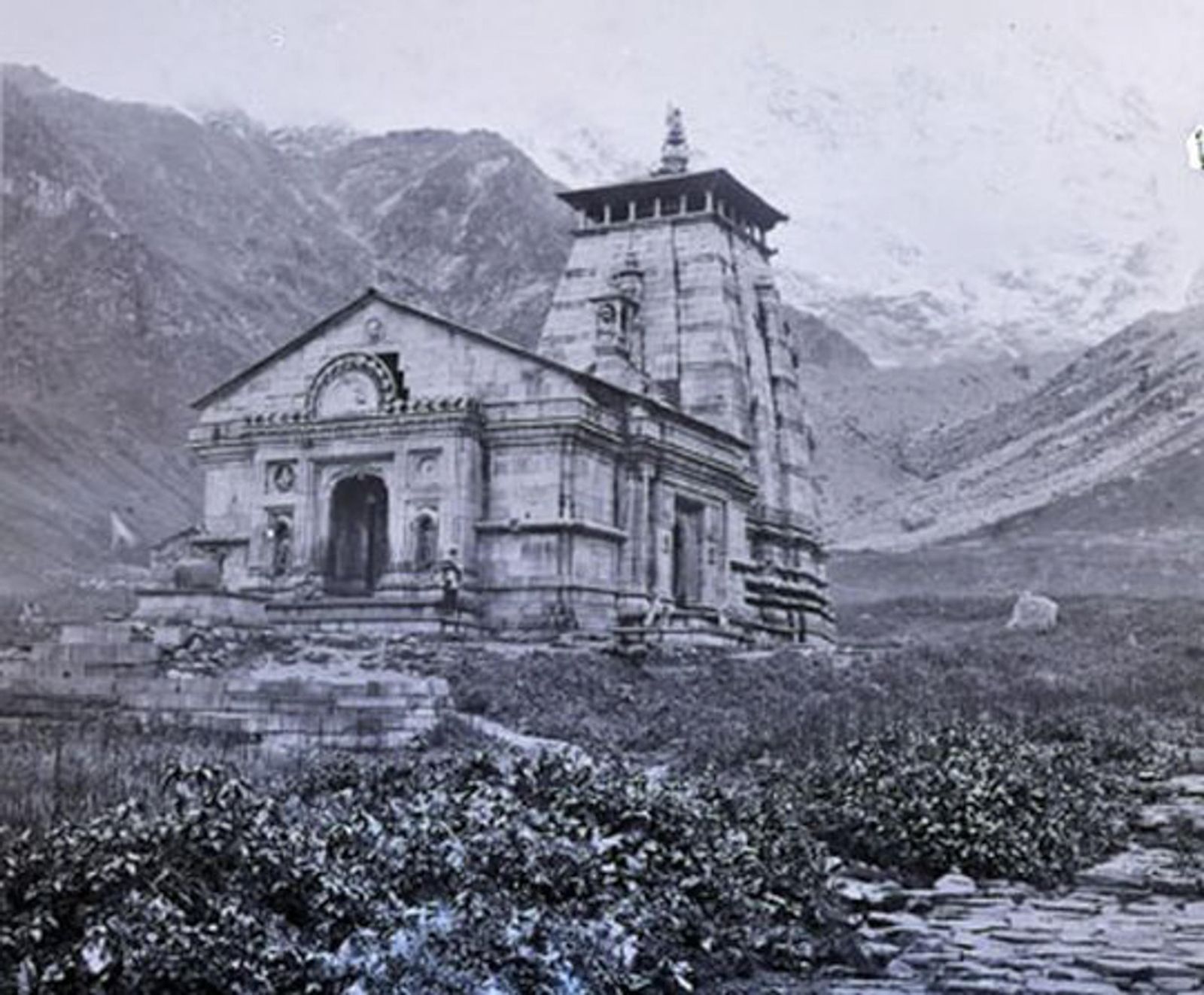
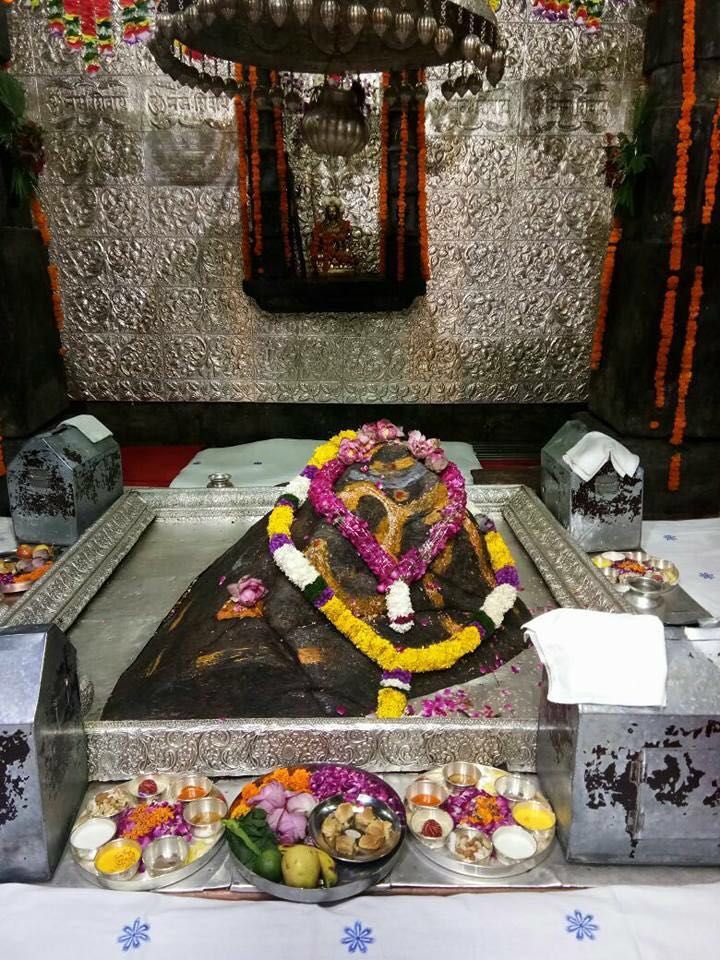
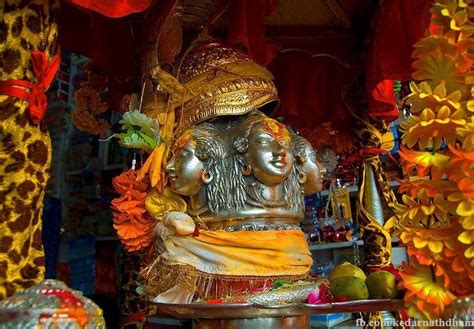
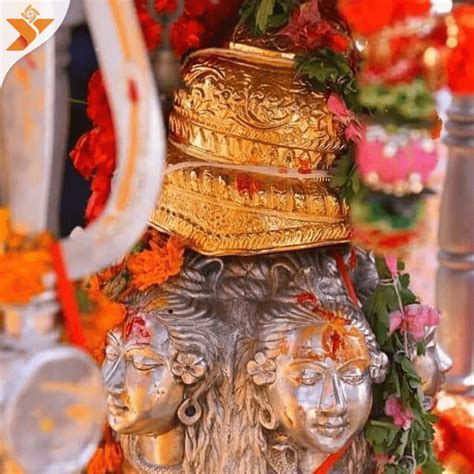
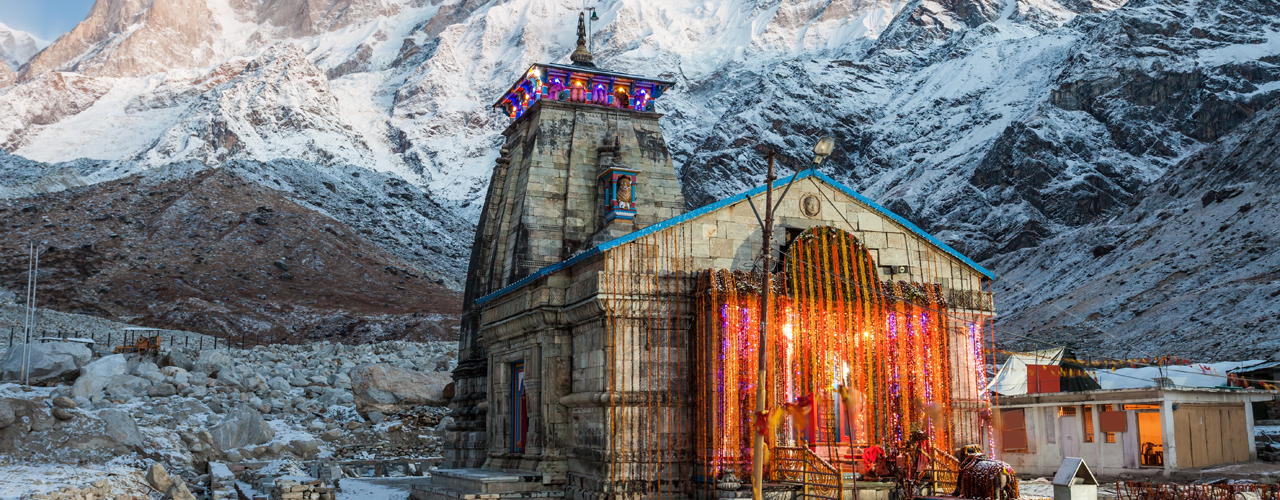
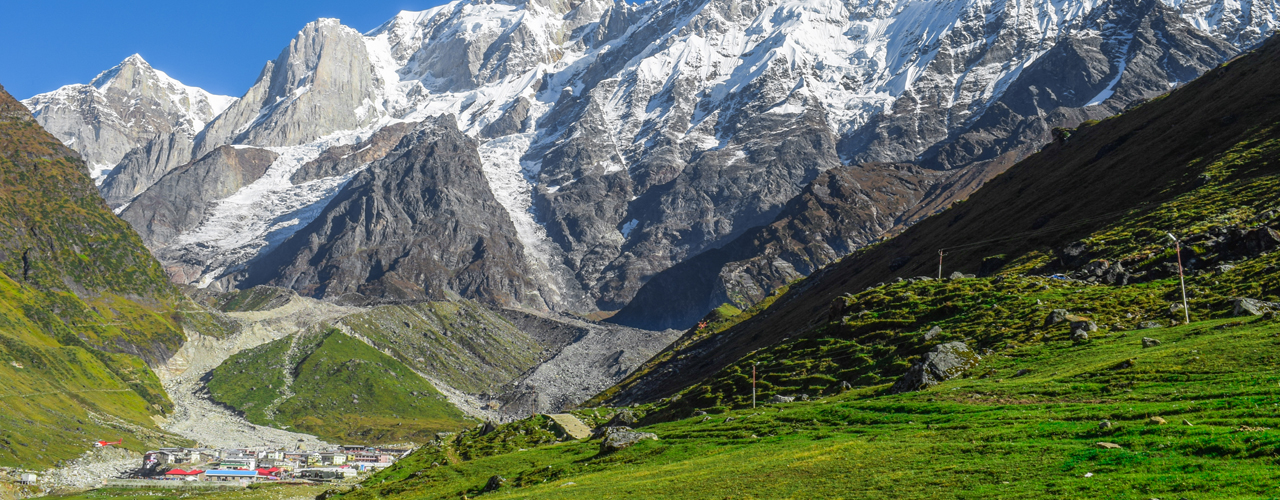
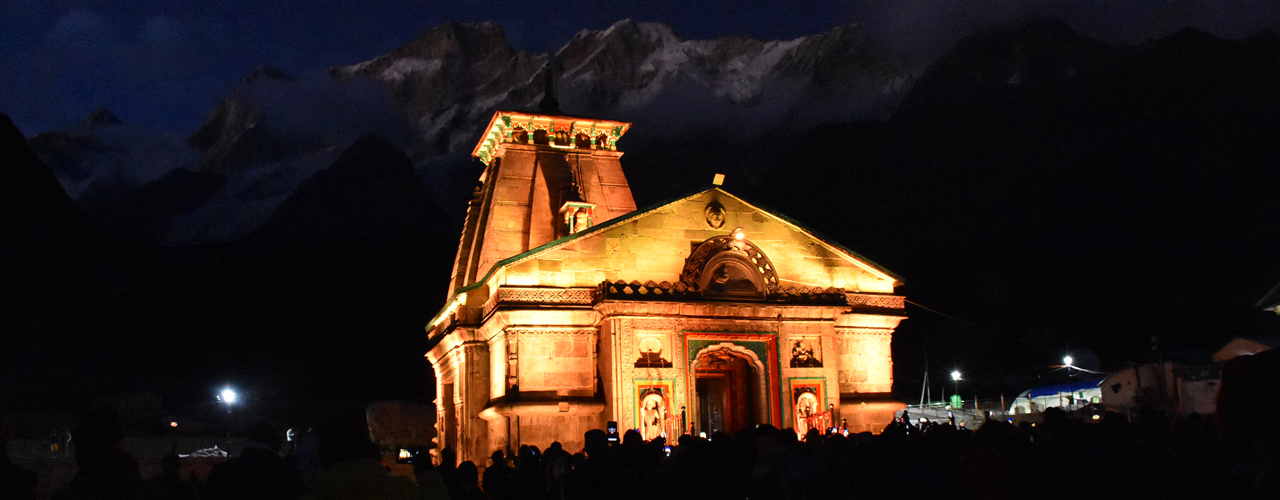
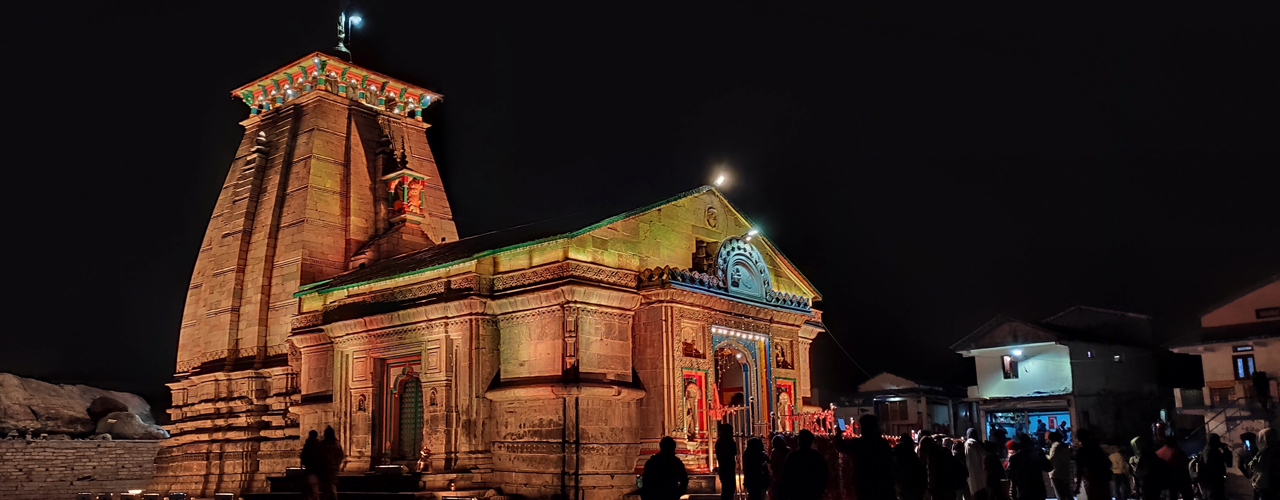
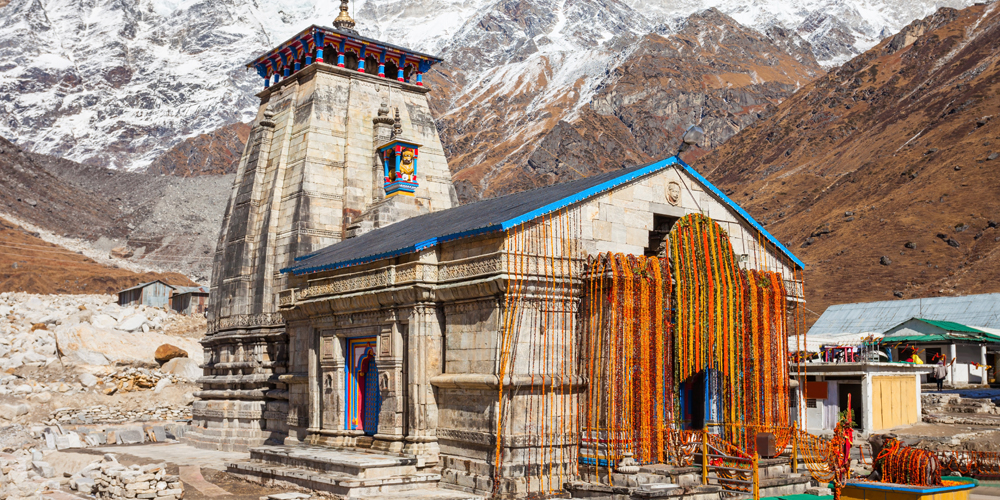
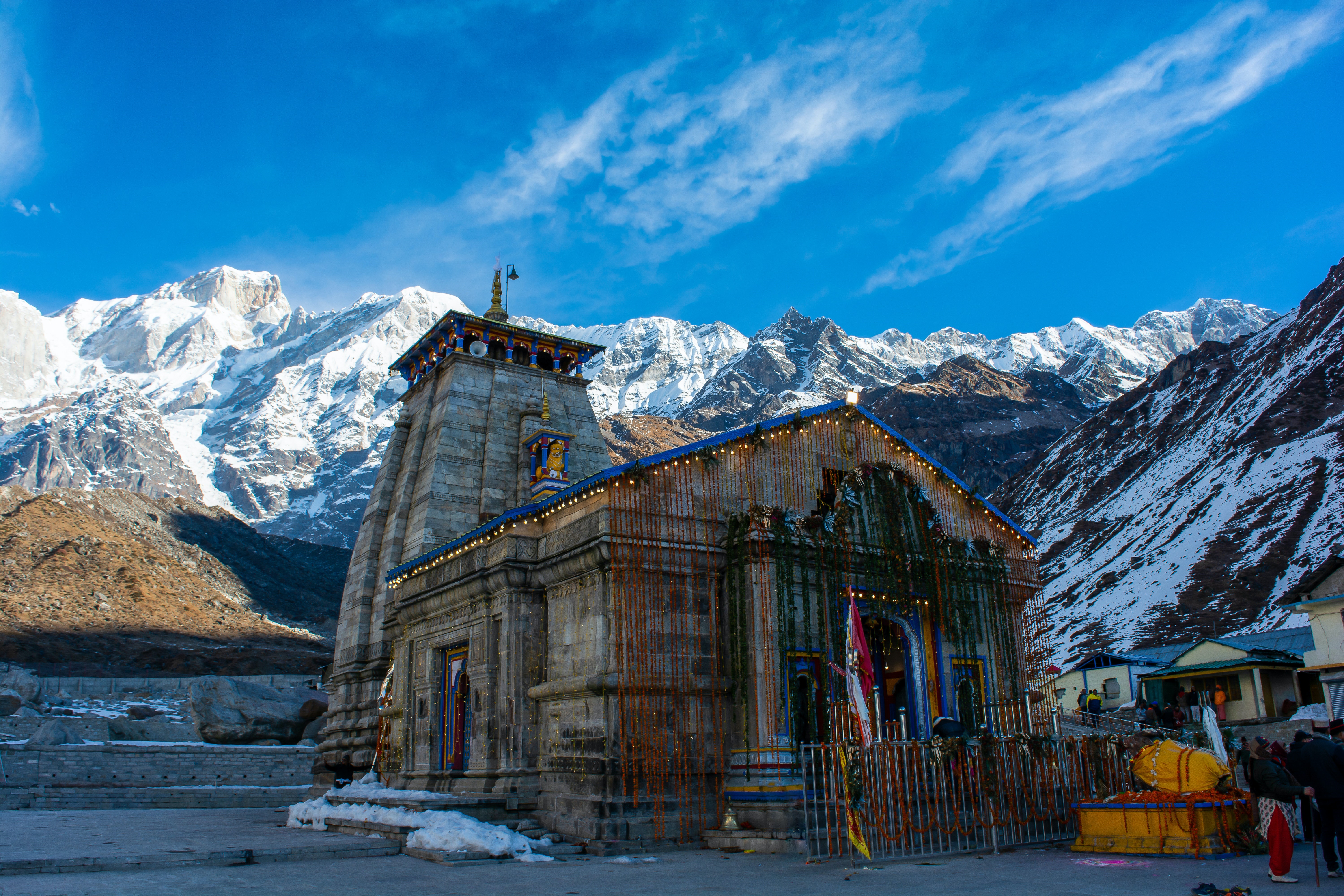
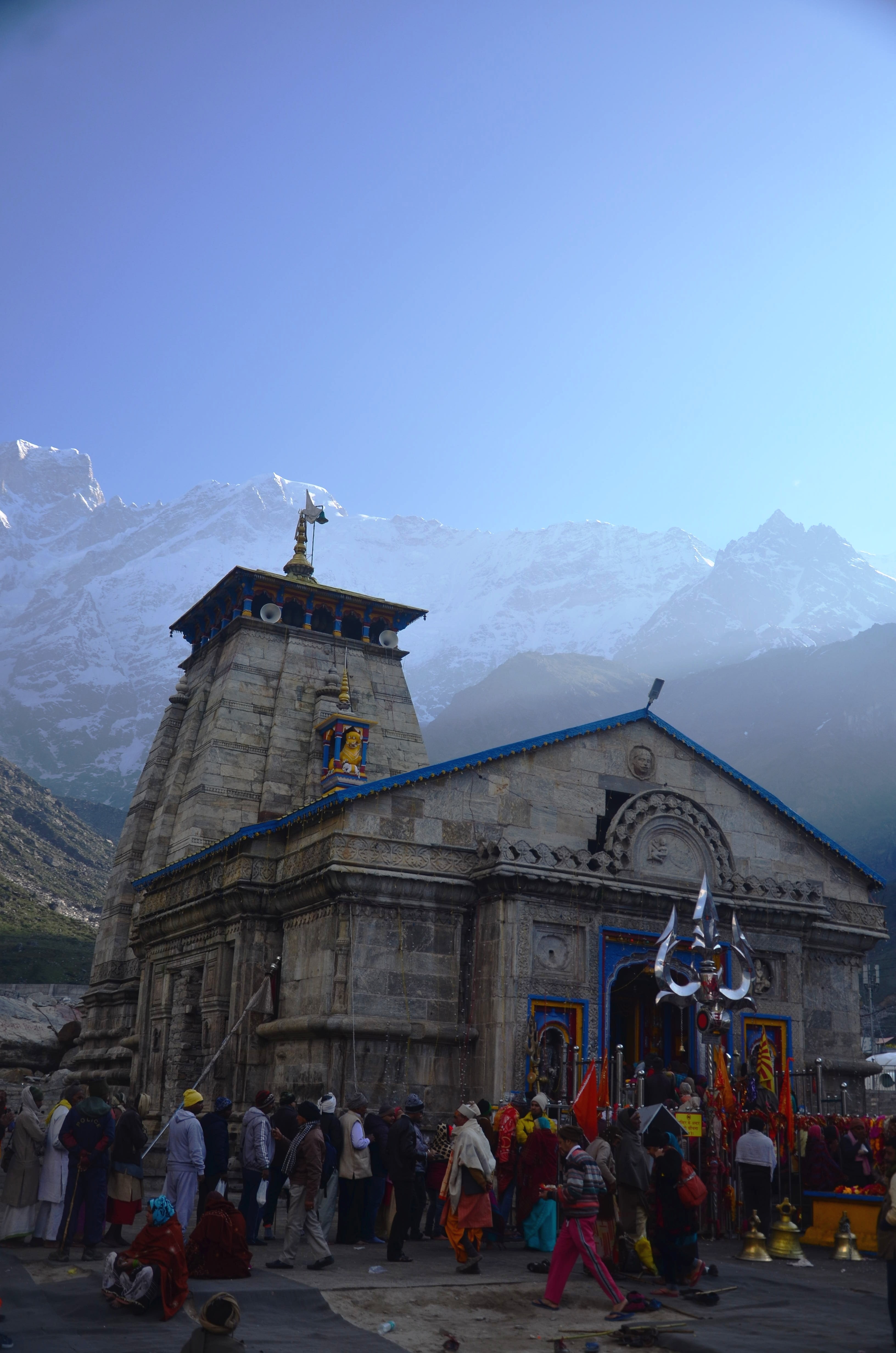
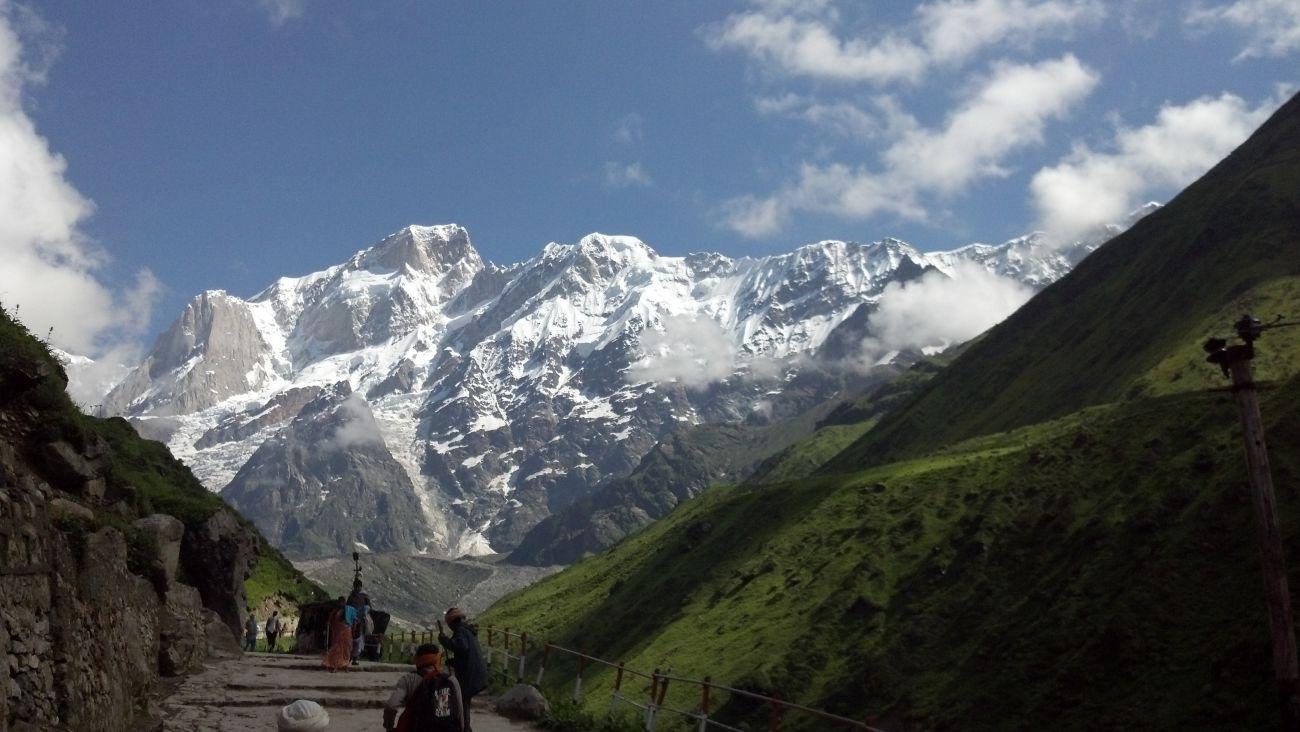
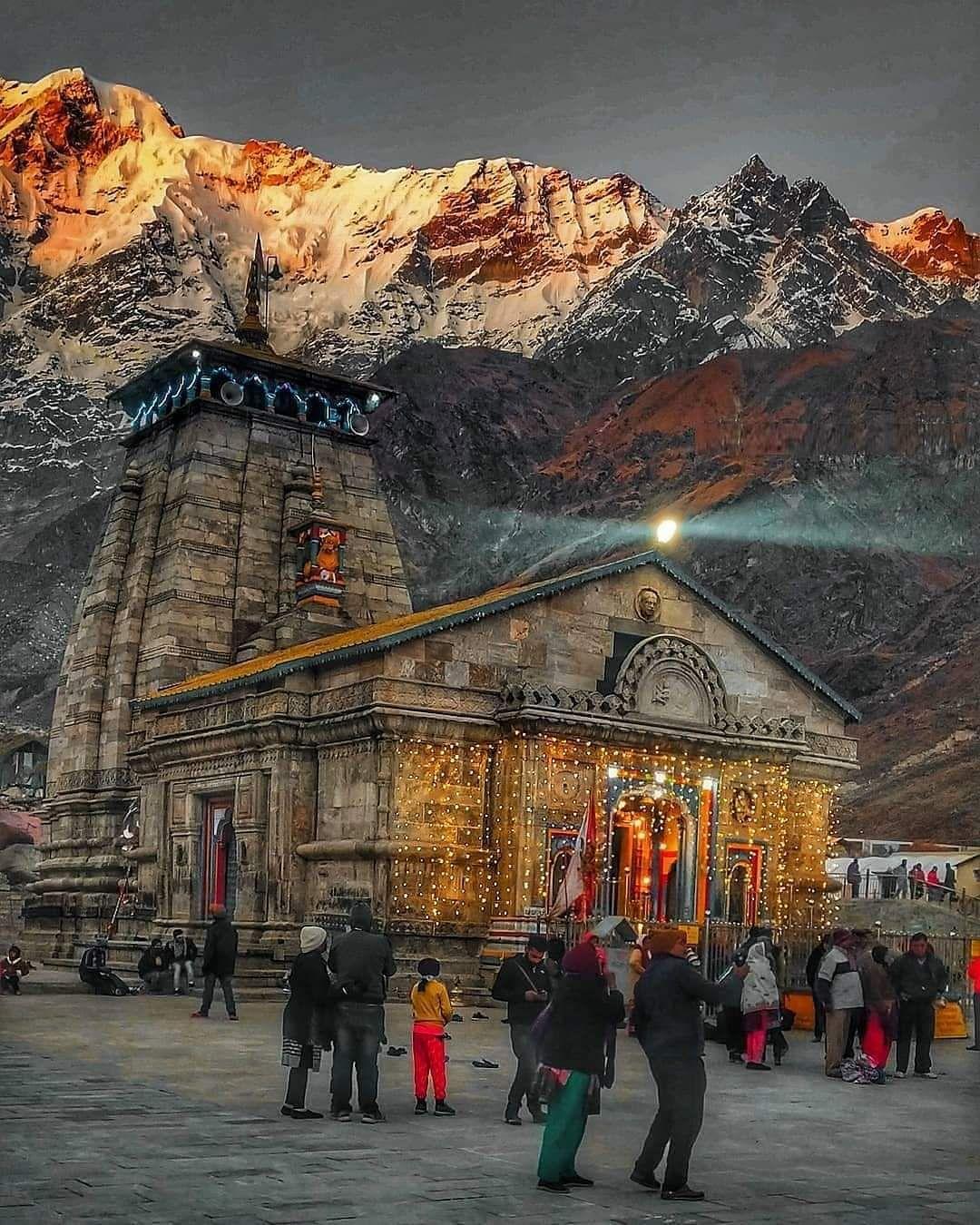
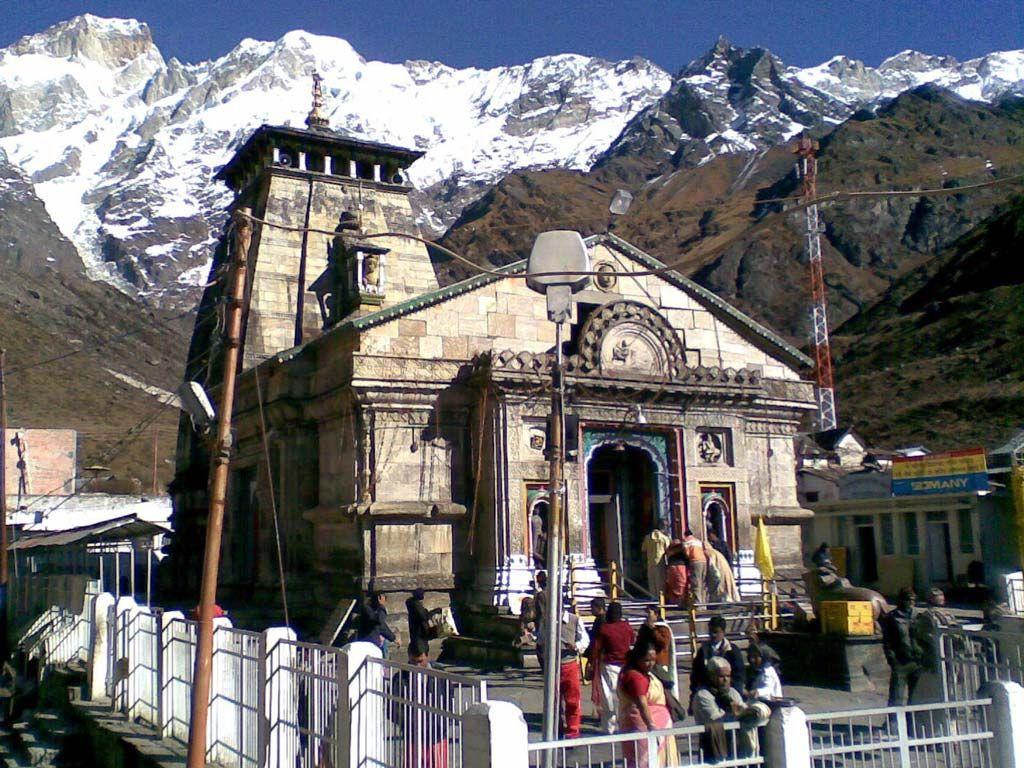
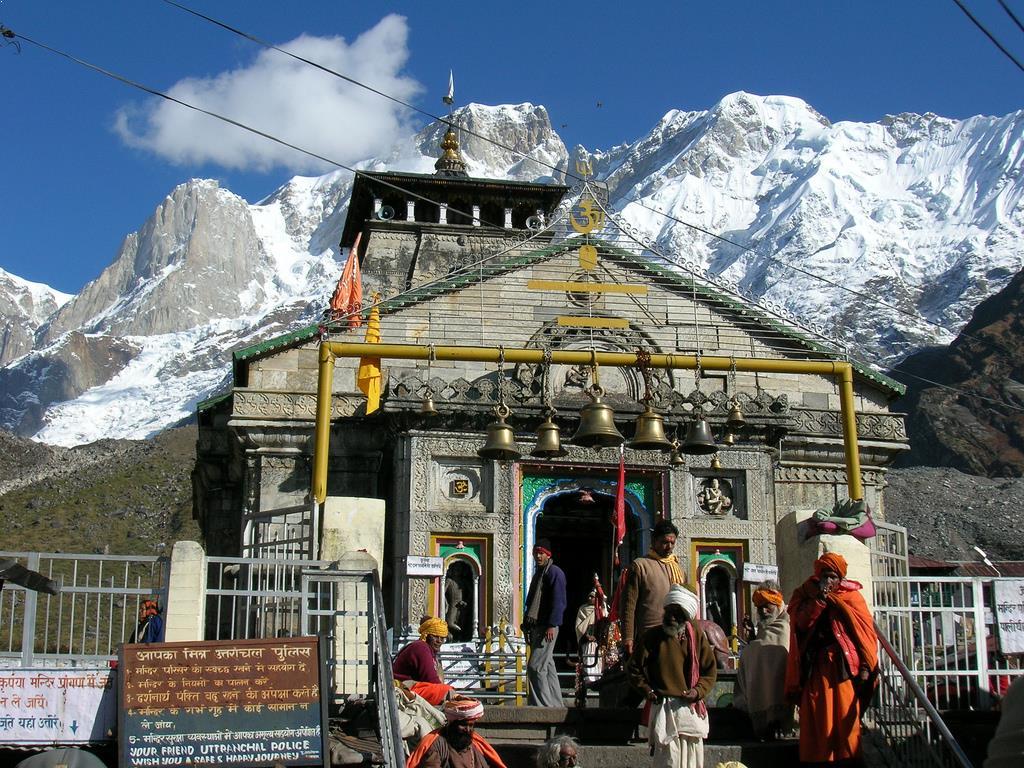
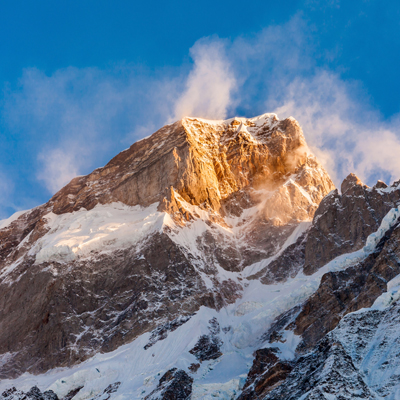
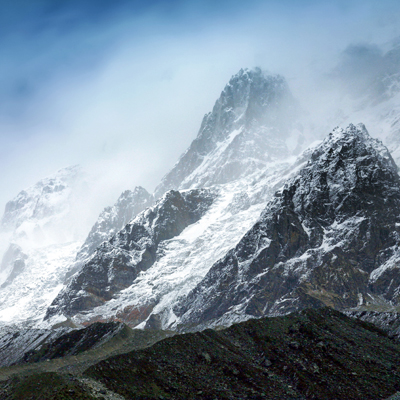
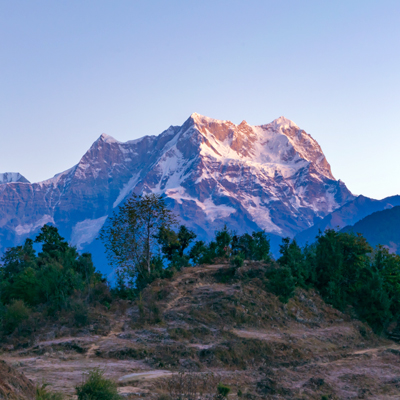
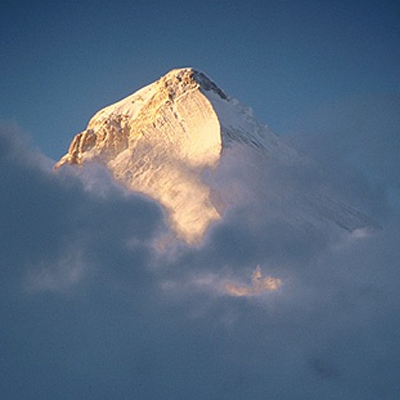
One of the most revered temple destinations of India, Kedarnath town is nestled in the mighty Garhwal Himalayas. The town, built around the revered Kedarnath temple, is located at an altitude of 3,580 m, near Chorabari glacier, which is the source of the Mandakini river. Dedicated to Lord Shiva, the ancient temple has exquisite architecture and is built of extremely large but evenly shaped grey stone slabs. A conical rock formation inside the temple is worshipped as Lord Shiva in his “Sadashiva” form. The Kedarnath temple, dedicated to Lord Shiva, is a part of Char Dham pilgrimage circuit, and is one of the 12 Jyotirlingas of Lord Shiva in India. Behind the Kedarnath temple, stand the Kedarnath peak, Kedar Dome and other Himalayan peaks.
More About the Temple
The historical name of this region is "Kedar Khand" and legend says, the Pandavas from the epic Mahabharata, after having defeated the Kauravas, felt guilty of having killed so many people and sought the blessings of Lord Shiva for redemption. The Lord eluded them repeatedly and took refuge at Kedarnath in the form of a bull. The Lord dived into the ground, leaving his hump on the surface at Kedarnath. The remaining portions of Lord Shiva appeared at four other places and are worshipped there as his manifestations. The arms of the Lord appeared at Tungnath, the face at Rudranath, the belly at Madmaheshwar and his locks (hair) at Kalpeshwar. The Kedarnath and four above mentioned shrines make the revered Panch Kedar pilgrimage circuit.
|| श्री केदारनाथ धाम ||
Glimpse Of Kedarnath Temple
History and Legend of Kedarnath Temple
Significance of Kedarnath Temple
Kedarnath means ‘Lord of Kedar Khand' (mountain region). Located at a height of 3,133 metres (10,248 ft) above sea level, this temple is one of the most important pilgrimage sites for Hindus. The shrine is dedicated to Lord Shiva and lies near Mandakini River in Kedarnath, Uttarakhand (India). It is one of the 12 Jyotirlingas (Cosmic light) sites and 275 Paadal Petra Sthalams (revered by Tamil Saints) for Hindus.
History says that the Pandavas (5 brothers from Mahabharata) wanted to seek salvation from their sins after war, when they killed their own kith and kin. They reached Himalaya to get the Dharshan (divine vision) of Lord Shiva to absolve their sins, however Lord Shiva hid from them. On seeing this, Dharma, the eldest of the five told to Lord Shiva that only after seeing him their sins will be washed away and the shrine where the Lord has hidden himself will be called Guptakashi.
They then travelled to Gaurikund in the Himalayan Valleys and undertook penance. But Lord Shiva avoided them and many a times took form of a bull. Pandavas realized Lord Shiva in the form of a bull. They followed the bull, but the animal immediately jumped into the surface, leaving the hump on the ground. The hump shaped portion was worshipped by Pandavas, who later built a temple. The remaining portions of Lord Shiva in the form of bull appeared at four places. Arms (Tungnath), face (Rudranath), belly (Madmaheshwar) and head (Kalpeshwar). Kedarnath and these four sites are treated as Panch Kedar.
Shree Kedarnath Dham
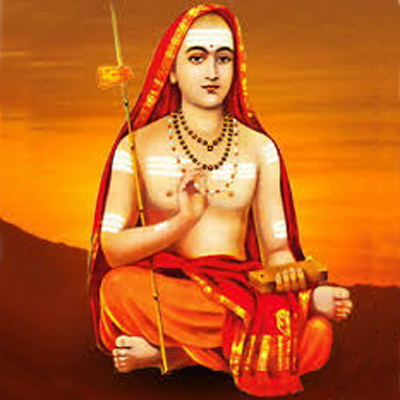
Kedarnath temple is believed to have been built by the Pandavas and revived by Adi Sankaracharya (an ancient Indian Theologian and Philosopher) in the 8th century. Located in the Himalayan ranges, Kedarnath is one of the famous most sacred pilgrimage centers of the country. The temple is also one among the four Chota Char Dham, which means ‘small four abodes’. Devotees worship the Lord for health, longevity, remove disease, and increase spiritual strength and moksha. Walls inside the temple are delicately carved with images. Lord Shiva houses in the shrine in the form of Lingam, in an unusual pyramid shape.
Architecture of Kedarnath Temple
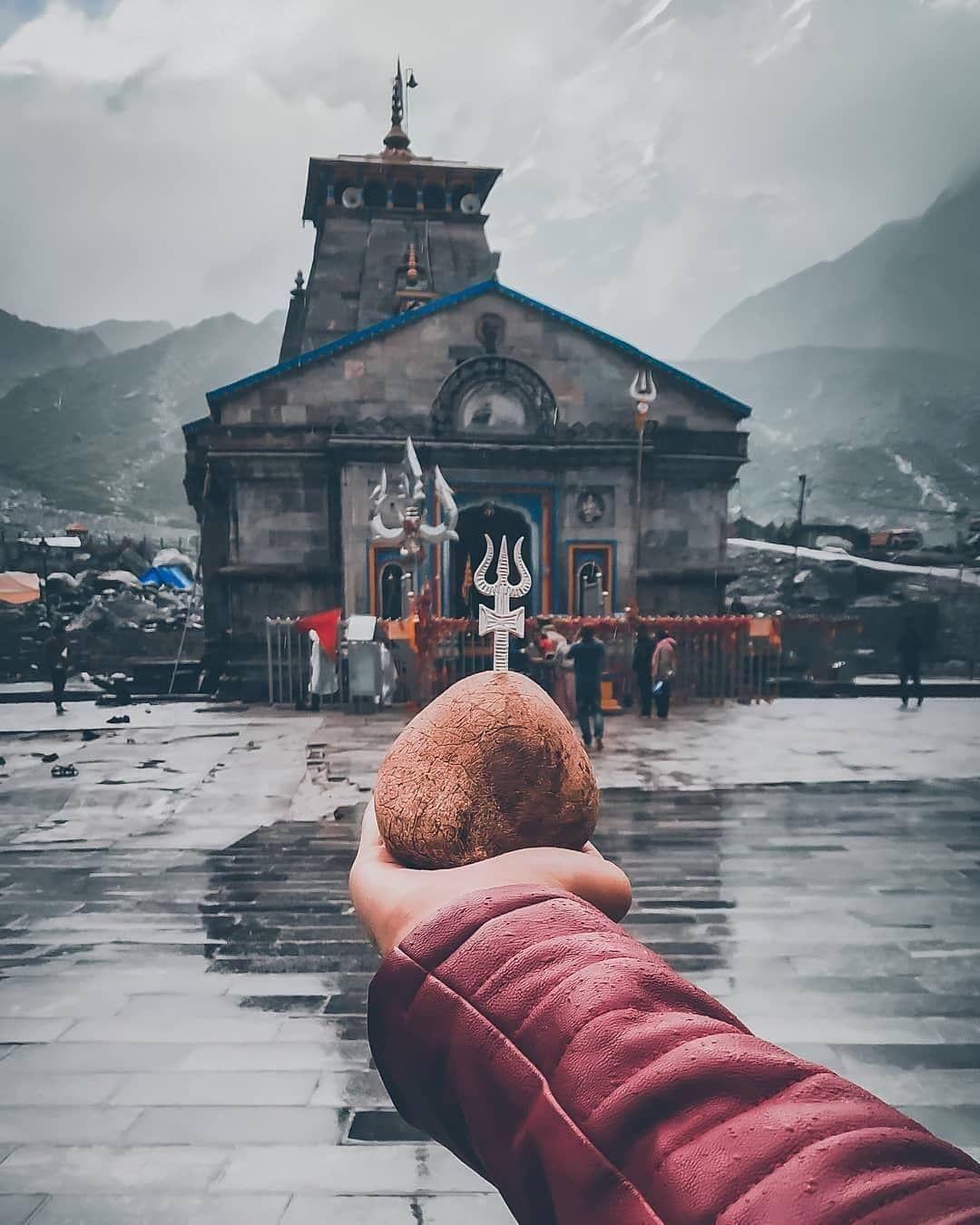
Kedarnath Temple has a typical architectural structure with two distinct sections as any other Hindu Temple in the country. One is Garbagriha which houses the presiding deity and the other is Mandap which is a huge space to accommodate large numbers of pilgrims and devotees. The Temple is evenly engineered and constructed on a rectangular platform out of huge and heavy stone slabs. At the entrance of the Temple, an enormous statue of Nandi (Lord Shiva’s vehicle) is present.
The Holy Shrine consists of a conical shaped rock formation which is highly revered by the devotees as the Sadashiva form of Lord Shiva. It is believed to be a Swayambu, a self-manifested form of the Supreme Lord Shiva and is considered the highest of all 12 Jyotirlingas spread across India.
Benefits of Visiting Kedarnath Temple
Kedarnath is considered the most important and special Shrines of Lord Shiva because of his presence in the shape of a pyramid. The deity presiding in the temple is more powerful and praying him is believed to fulfill all your desires and relieves you from sins and evil forces. This ancient shrine, which is devoted to Lord Shiva has an incomparable ambience, ideal for meditation and prayer and is hugely devoured by Shiva devotees.
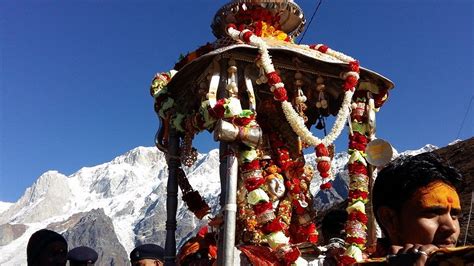
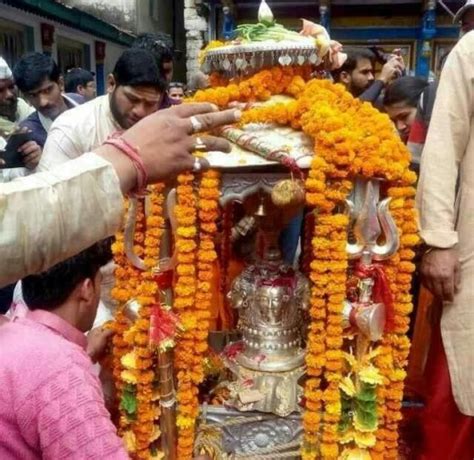
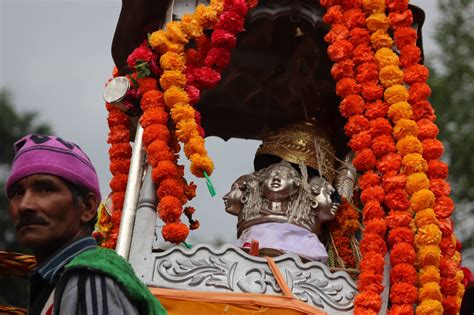
Festivals Related to Kedarnath Temple
A Dream Destination
Bhim Shila At Kedarnath
The Divine Rock That Protected Kedarnath Temple
On the night of June 16 2013, Kedarnath was hit by the worst flood in 100 years that brought in its wake unprecedented disaster to Uttarakhand. But a miracle rock, now known as Bhim Shila, protected the Kedarnath Temple. It came along with the flood waters and stood few meters behind the Baba Kedarnath Temple.
Landslide and mudslides occurred in and around Kedarnath. Waters started gushing from Chorabari Tal down Mandakini River washing everything away in its path. The waters brought along with it huge amount of silt, rocks and boulders. But none of the boulders and rocks could damage the Kedarnath Temple due to Bhim Shila. The huge boulder diverted the flow of water to the sides.
This rock has now become a part of the Kedarnath temple sanctity and is known as the divine rock of Bhima of Mahabharata.
The rock has got anchored some thirty feet away, right behind the main Kedarnath. It is around 20 feet wide and 12 feet or so tall.
Was it Hanuman meditating in the Himalayas that carried the rock down to protect Kedarnath Temple? It could be. Afterall Hanuman is Rudra Avatar.
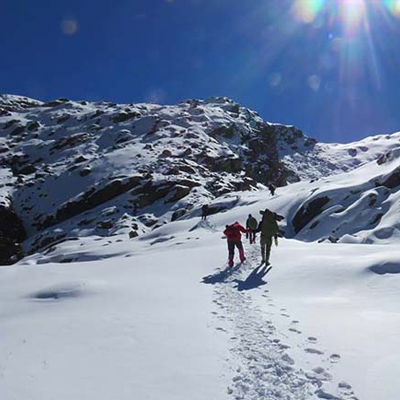
Near By Attractions
Shri Kedarnath Dham
Address : Kedarnath Dham
State : Uttarakhand
City Name: Rudraprayag
Pin Code: 246445